East Hampton Oceanfront Or Village: How To Decide
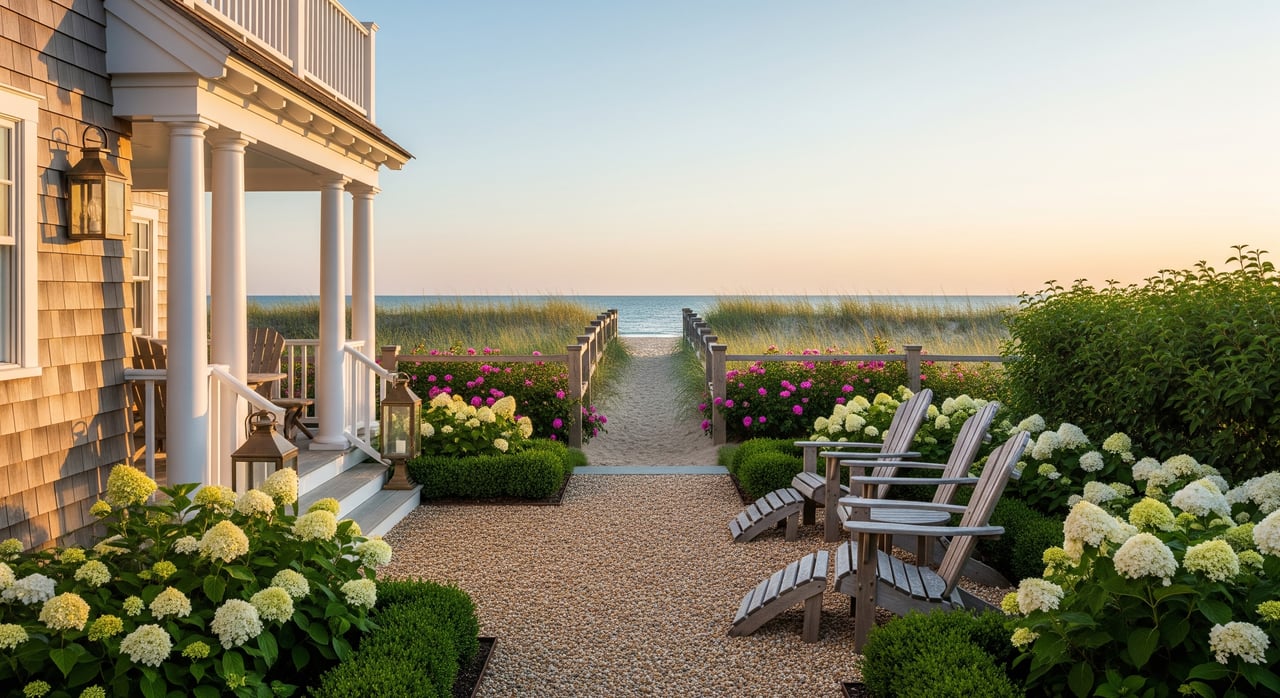
Are you torn between morning walks on the sand and quick strolls to dinner on Main Street? If you are weighing East Hampton oceanfront against East Hampton Village, you are choosing between two exceptional lifestyles. Each offers its own rhythm, costs, and long-term considerations. In this guide, you will get a clear comparison, cost and risk factors to plan for, and a simple framework to help you decide with confidence. Let’s dive in.
You value privacy, views, and direct beach access. You are comfortable driving for shopping and dining and can manage higher insurance and maintenance. You want the ultimate coastal lifestyle and strong seasonal rental appeal where permitted.
You want walkability and cultural life near the historic green, galleries, and restaurants. You prefer a neighborhood feel with year-round activity. You want fewer coastal permits and typically lower insurance and maintenance burdens.
A small number of oceanfront properties sit inside East Hampton Village, such as near Main Beach or Georgica. These pair beachfront living with short drives or bike rides to village amenities. Availability is limited and pricing reflects scarcity.
| Factor | Oceanfront | East Hampton Village |
|---|---|---|
| Lifestyle | Beach, views, privacy | Walkability, culture, community |
| Convenience | Car-oriented, gated entries common | Cafes, shops, services nearby |
| Noise & crowds | Quieter on private stretches | Busier in summer near Main Street |
| Property types | Beach cottages to contemporary estates | Historic cottages, shingle homes, gardens |
| Purchase price | Highest premiums for ocean views | Premium for location, generally lower than top oceanfront |
| Insurance | Higher flood and wind costs in coastal zones | Lower for many parcels, varies by elevation |
| Maintenance | Salt, storm, dune care, elevated structures | Typical home care; some septic upkeep |
| Utilities | Often septic; coastal resilience work may apply | Mix of sewered areas and septic, parcel-specific |
| Rentals | Top seasonal rates where allowed | Strong demand for walkability, often lower peak rates |
| Regulations | Coastal permits, erosion hazard controls | Village zoning and design review in many areas |
| Resale drivers | Scarcity of oceanfront land | Year-round demand for walkability and amenities |
Oceanfront commands the highest prices per waterfront foot and for unobstructed views. Supply is scarce and trophy oceanfront can carry a significant premium. Village homes trade at strong prices for proximity and lifestyle, with rare listings near beaches achieving top-tier values.
You will pay town, county, and school district taxes. If you buy inside the Village, an additional village levy funds local services and impacts your total tax bill. Always review parcel-specific tax history with the Town of East Hampton Assessor and the Village tax roll.
Many oceanfront parcels fall within FEMA AE or VE zones that require flood insurance for mortgaged properties. VE zones reflect wave action exposure and can drive higher premiums and stricter building standards. Village properties often face lower flood costs, but exposure varies by elevation and proximity to the coast.
On the ocean, plan for frequent exterior care due to salt corrosion, storm prep, dune stabilization, and potential repairs to beach access structures. Village homes typically have more predictable maintenance, though septic pumping or upgrades may be required for properties not on sewer.
Much of East Hampton relies on onsite wastewater systems. Parts of the Village are sewered, which can influence renovation options and operating costs. Septic capacity may limit bedroom count and expansion, so confirm status early in your planning.
Both the Town and the Village have short-term rental regulations that can include registration, inspections, minimum stays, and occupancy rules. If rental income matters to your decision, review the current codes and compliance steps before you buy.
Oceanfront construction and major repairs can trigger coastal permits, dune protections, and setbacks. Projects like seawalls, revetments, and beach stairs are highly regulated and may require approvals at multiple levels.
In East Hampton Village, historic preservation and architectural review can guide exterior changes and materials. This protects neighborhood character and can affect timelines and costs for renovations.
Oceanfront’s limited supply supports long-term desirability, especially for properties with strong elevations and direct access. Village homes benefit from steady demand for walkability and proximity to services.
Preferences shift over time. In some cycles, buyers prize privacy and views; in others, convenience and lower maintenance take the lead. Insurance availability, premiums, and financing conditions can influence performance across segments.
Ultra-prime oceanfront can be less liquid at the highest price tiers, depending on market conditions. Village properties often appeal to a broader buyer pool seeking a year-round lifestyle, which can support liquidity.
Choosing between oceanfront and Village in East Hampton is about aligning lifestyle, risk, and long-term goals. If you want a tailored plan, local parcel intelligence, and clear next steps on insurance, permits, and rentals, connect with a trusted advisor who lives this market every day. For boutique guidance amplified by world-class marketing, reach out to David Tenenbaum to Schedule a Showing.
Stay up to date on the latest real estate trends.
David is relationship-driven with all his customers and business contacts and understands that being honest every step of the way is the only way to conduct business. As a result, his reputation in the industry is simply stellar. David is always energized at the idea of selling his clients’ homes with Brown Harris Stevens’ award-winning marketing and technology.