What Adds Value In Bridgehampton: Pool, Tennis, ADUs
Thinking about adding a pool, tennis court, or guest house before selling in Bridgehampton? Not every upgrade delivers the same return. In the Hamptons, buyers come for lifestyle and expect certain amenities at each price tier, but the details and permitting can make or break your results.
This guide shows you what reliably adds value in Bridgehampton, how expectations shift by budget and buyer type, and what to know about permits and timelines. You will learn where to invest, what to avoid, and how to position your property for the strongest offers. Let’s dive in.
Bridgehampton sits in the heart of the Hamptons luxury and second‑home market. Buyers include primary residents, second‑home owners, seasonal users, and rental investors. Across segments, people value privacy, outdoor living, turnkey systems, and easy indoor/outdoor entertaining.
At the lower end of the Hamptons market, pools and courts are less common. They can still help your listing stand out on larger lots. Many buyers focus on renovation potential, interior condition, and room to expand more than top‑end outdoor amenities.
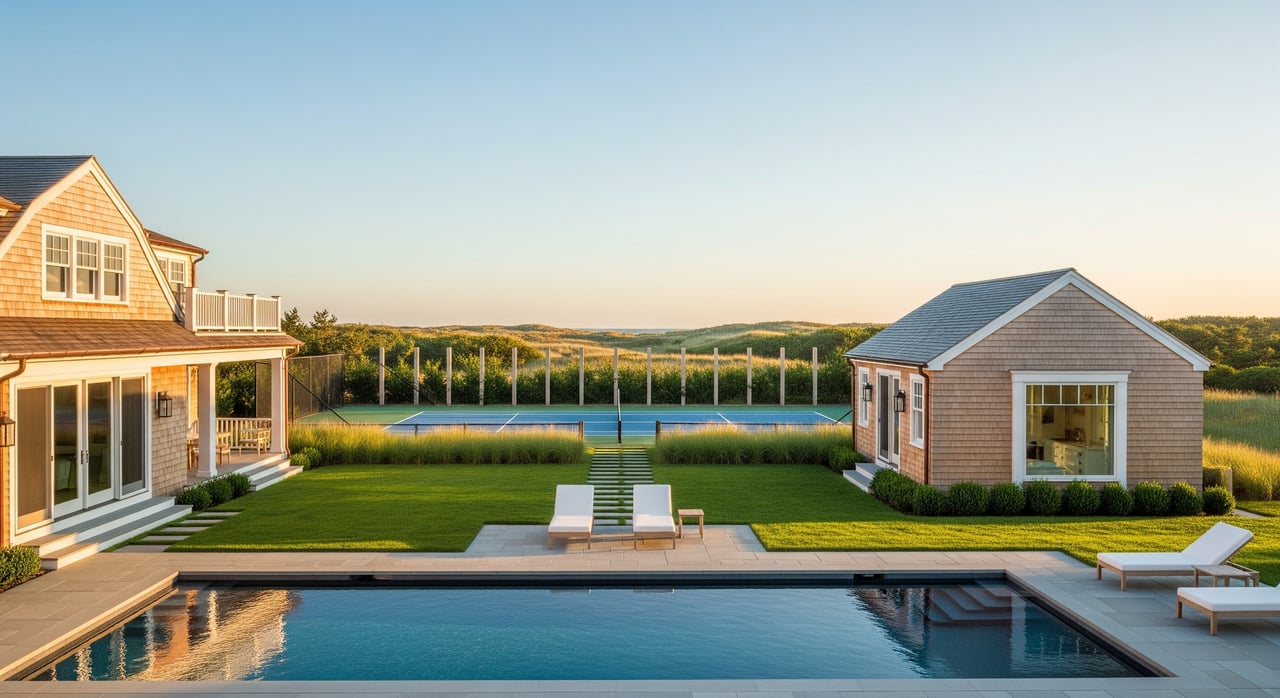
In the mid‑market sweet spot for Bridgehampton, buyers commonly expect a private inground pool, mature landscaping, and a modest guest or pool house. Low‑maintenance finishes, effective privacy screening, efficient pool heating, and covers are strong positives.
Upper‑tier buyers expect a full resort package. That often means a large pool, a substantial pool house or guest house, a tennis or multipurpose sports court, professional landscaping and lighting, and strong privacy. Separate staff or caretaker accommodations and utility redundancy are normal at the highest levels.
A well‑executed pool and pool house typically strengthens mid‑ to upper‑market Bridgehampton listings. The keys are siting, finish level, and maintenance.
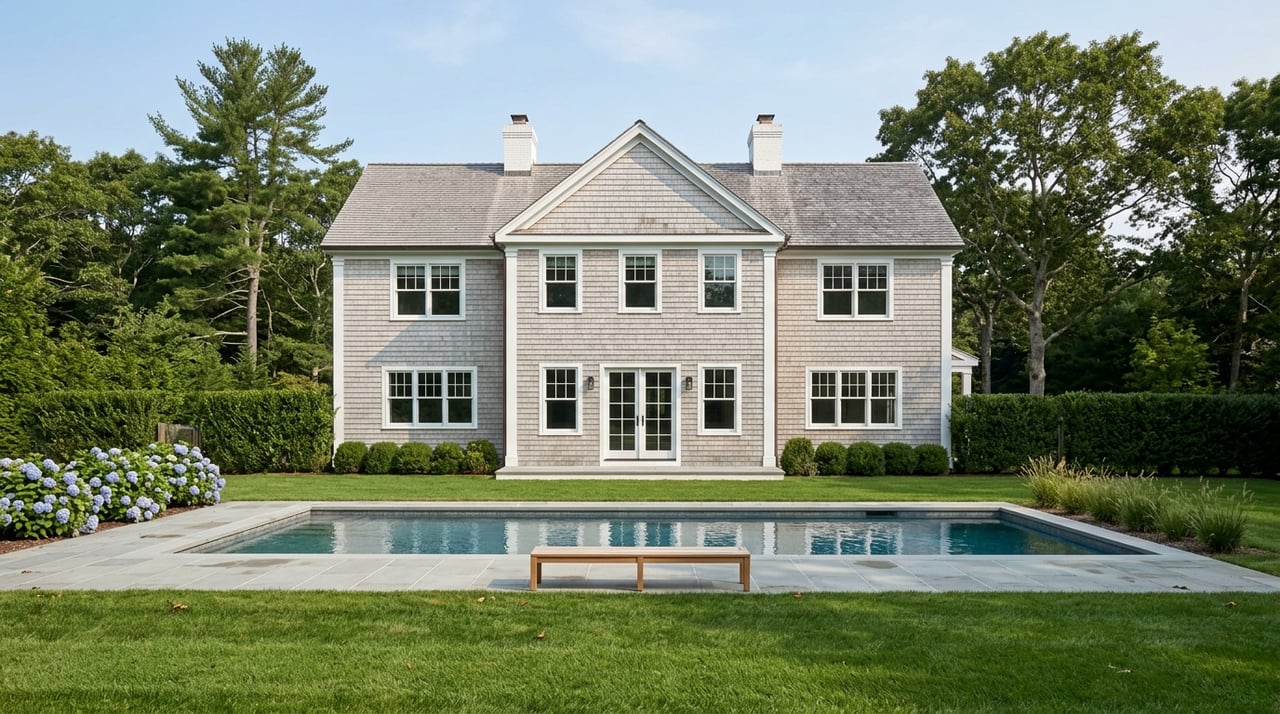
Buyers look for privacy, smart orientation for sun, and seamless connection to indoor living. Low‑maintenance decking, energy‑efficient equipment, automated covers, and safety features such as fencing and alarms help your pool feel turnkey. Service records and clean mechanical areas are confidence boosters during inspections.
A finished pool house with a full bathroom and a small kitchenette or comfortable lounge space adds functional value. It extends livability by supporting guests, poolside entertaining, and off‑season use. An unfinished shed rarely carries the same weight with buyers.
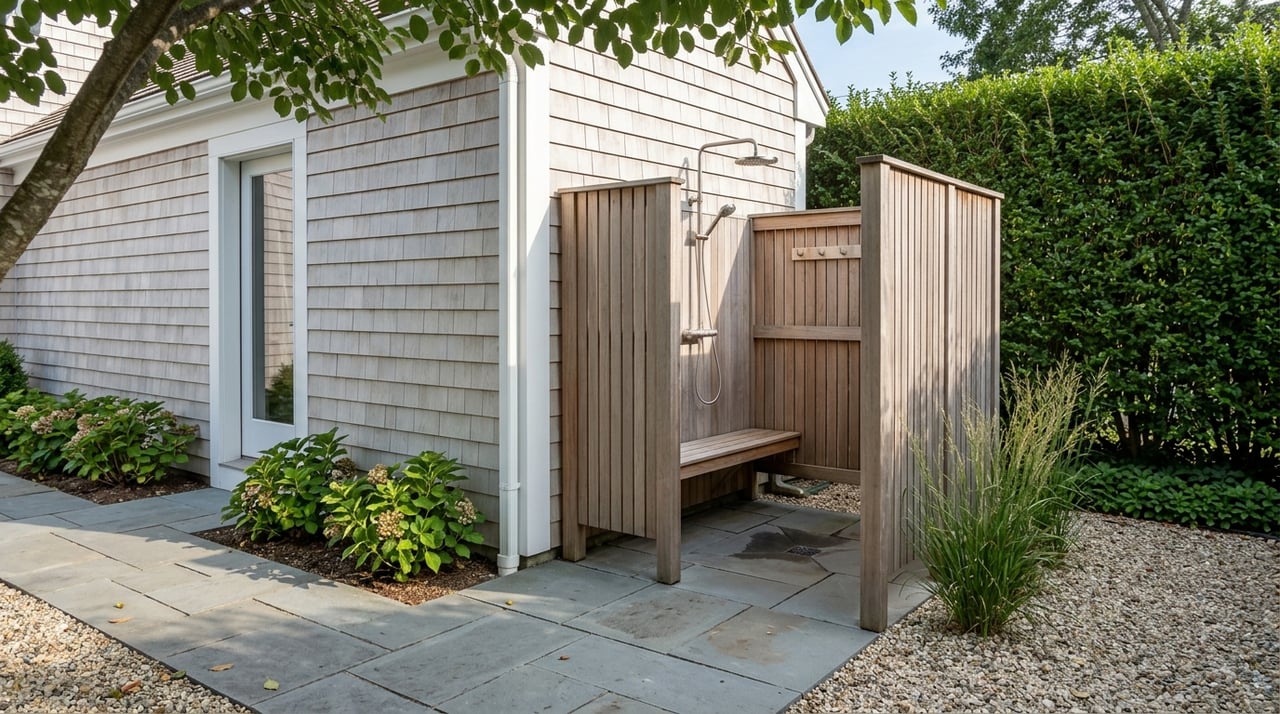
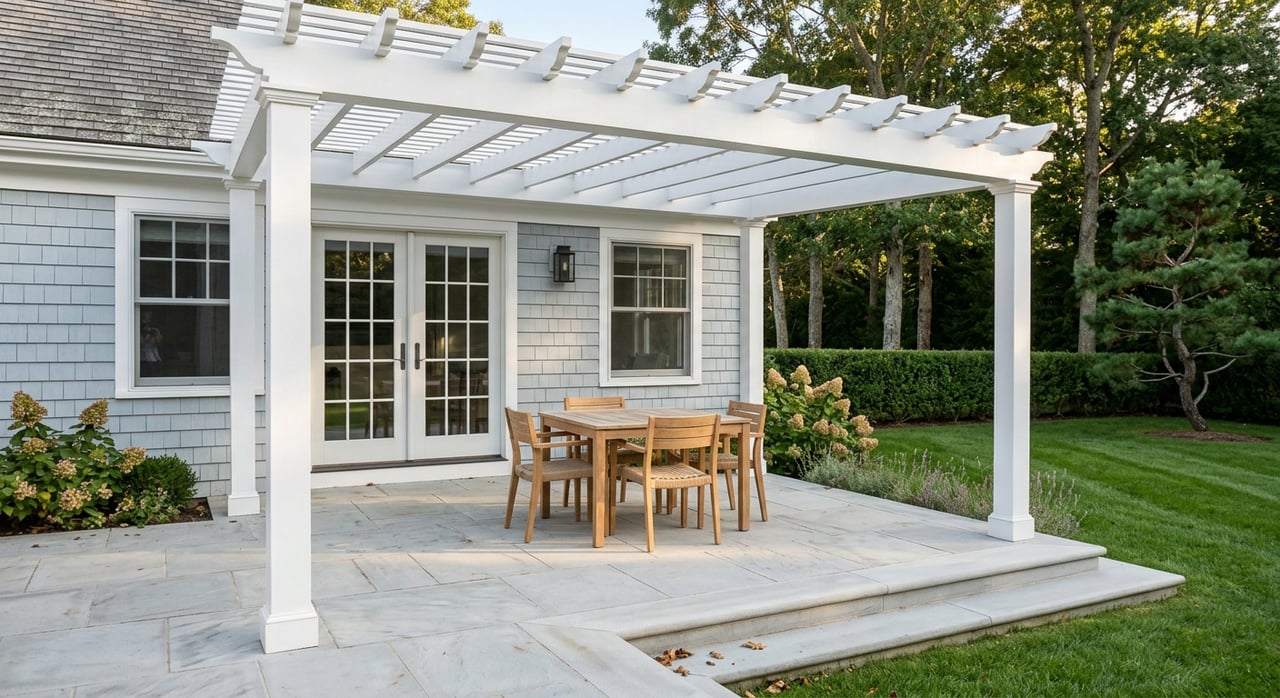
Plan for sun and wind patterns, privacy screening, and a clear, elegant path from the home to the pool. Outdoor kitchens, terraces, and covered lounge zones help the area live like a true backyard resort. Place mechanicals where they are accessible, quiet, and visually screened.
Pools increase maintenance and winterization needs in New York’s climate. Buyers factor this into offers, so anything that signals low upkeep can support price. Pools can also affect insurance and liability. Proper fencing, alarms, and code compliance reduce underwriting friction.
A court can be a draw for traditional luxury buyers and active families. Today, many owners choose multipurpose courts that work for tennis and pickleball to serve broader demand.
Courts need flat area and buffers from neighbors. Lighting and ball noise can raise concerns. Professional siting and discreet design help preserve privacy and keep neighbor relations positive.
On large lots, a professionally installed court adds value when it feels aligned with the property’s scale and setting. On a tight lot, a court can feel cramped and hurt appeal. Consider drainage, materials, and a plan for resurfacing as part of the long‑term cost picture.
Expect periodic resurfacing, crack repair, and drainage management. Lighting brings added operating cost and can trigger extra permit review. Keep records of service to reassure buyers.
Finished accessory dwellings are in demand for guests, staff, multigenerational living, and potential rental income. In Bridgehampton, a properly permitted and finished ADU or guest house can be a meaningful value driver.
Buyers respond to fully finished, code‑compliant spaces with a proper sleeping area, bath, and a compact kitchen setup. Match finishes to the main home for a cohesive feel. Unpermitted structures can slow or derail closings, shrinking your buyer pool.
Local zoning, lot coverage, septic capacity, and parking rules are common limiters. In Suffolk County, adding bedrooms or units often triggers a septic review or upgrade, including possible denitrification requirements. Some setups may have owner‑occupancy or special approval rules.
ADUs and guest houses can support seasonal rental income, which is especially relevant to investors and second‑home owners seeking to offset operating costs. Many Hamptons towns regulate short‑term rentals, so permitted use and registration can influence value.
Work with the Town of Southampton and Suffolk County early to understand the steps for your property. Flood zones, wetlands, and coastal overlays can add time and complexity.
If you pursue a pool, pool house, and septic upgrade together, plan them as one program. Your schedule will follow the longest path. Coordinated design and permitting can save time and reduce surprises.
Costs vary widely by site, scope, materials, and finishes. In Bridgehampton, premium finishes, complex drainage, and coastal or dune protections can increase costs compared to national averages. Align your plan with neighborhood expectations to avoid over‑improving.
Budget for seasonal opening and closing, heating, chemicals, equipment replacement cycles, court resurfacing, landscaping, and higher insurance. Buyers understand these costs and often prefer features that lower maintenance.
Improvements can raise assessed value and taxes. Pools and courts may affect insurance premiums and liability. At resale, permitted, well‑integrated amenities that match neighborhood standards are more likely to add net value than decorative upgrades with high upkeep.
Finished ADUs and guest houses can contribute seasonal rental income. Actual net value depends on local rules, seasonality, and occupancy limits. Clear permitting supports stronger rental performance and smoother closings.
Have permits and certificates ready for review. Provide recent service records for pools and courts. Clear privacy screening and tidy mechanical areas help buyers feel confident about upkeep.
Keep the finish level of pool houses and ADUs aligned with the main home. A smaller, high‑quality, finished structure is more appealing than a large but basic one. Energy‑efficient pool heating, automated covers, and LED court lighting with timers are practical upgrades buyers appreciate.
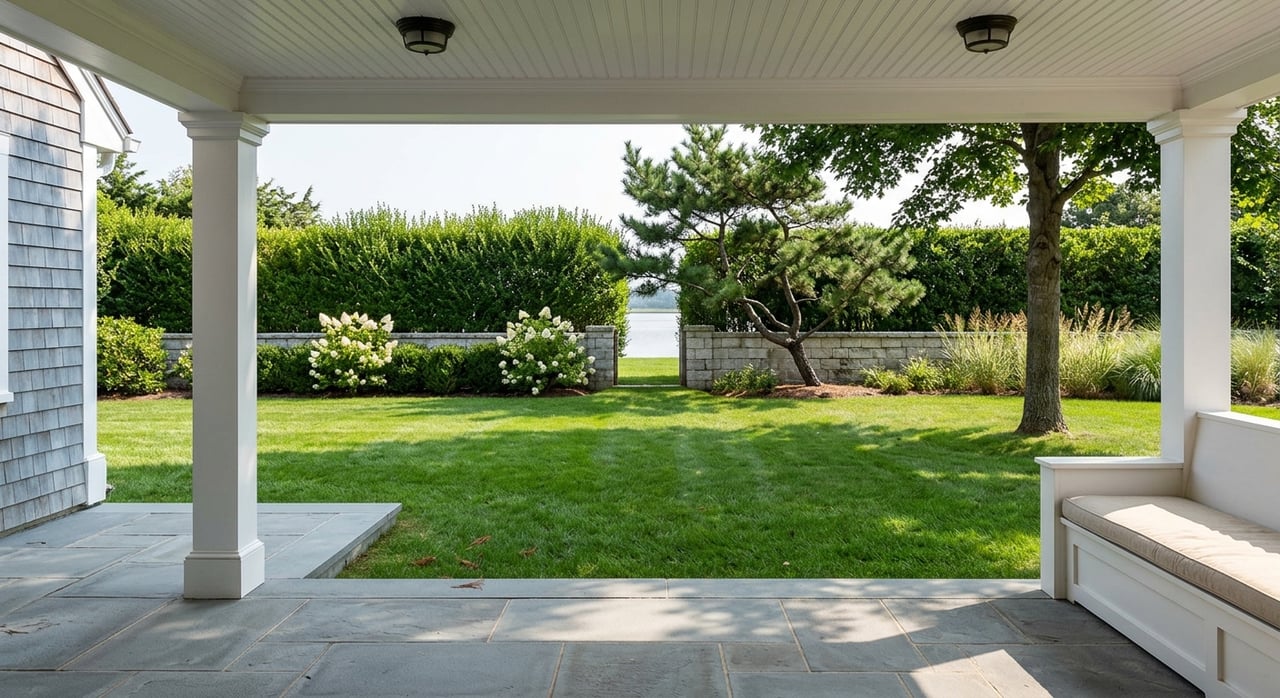
Mature plantings and professional landscape design frame private outdoor rooms that photograph and show beautifully. They also help control noise and views, supporting a sense of seclusion.
Share permitting and septic documents early. Market the amenity by use case, such as guest accommodations, rental income support, or family recreation. Highlight low‑maintenance features and year‑round usability.
Ready to talk strategy for your property? Whether you are weighing a pool, court, or guest unit, get tailored guidance on the improvements that fit your lot, timeline, and goals. Connect with David Tenenbaum for local insight, market positioning, and a clear plan to maximize your Bridgehampton sale.
Stay up to date on the latest real estate trends.
David is relationship-driven with all his customers and business contacts and understands that being honest every step of the way is the only way to conduct business. As a result, his reputation in the industry is simply stellar. David is always energized at the idea of selling his clients’ homes with Brown Harris Stevens’ award-winning marketing and technology.