Wainscott Home Staging Tips for Farmhouse or Modern Style
Thinking about listing your Wainscott home before spring and wondering whether to lean into farmhouse charm or sleek modern minimal? You are not alone. In this market, the right staging can be the difference between curiosity and commitment. This guide gives you a clear plan that fits how buyers actually shop in Wainscott, from historic farmhouses near Georgica to contemporary builds closer to Beach Lane. Let’s dive in.
In Wainscott, buyer interest builds in late winter and peaks into spring as people plan for summer. If you list before spring, you are meeting the moment when second‑home and luxury buyers are choosing properties for warm‑weather occupancy. These buyers expect a mix of coastal ease and upscale finishes, plus outdoor living that feels effortless. They also compare your home with nearby options, so staging needs to highlight what sets it apart while signaling turn‑key readiness.
Your home’s architecture should lead the staging strategy. If you have a historic farmhouse with preserved details near Georgica, highlight provenance and warmth, while showing modern comfort and low maintenance. If your property is a newer build or a contemporary renovation, emphasize clean lines, natural light, and continuity from interior to terrace. The goal is to align with buyer expectations for your style while standing out in a Wainscott search.
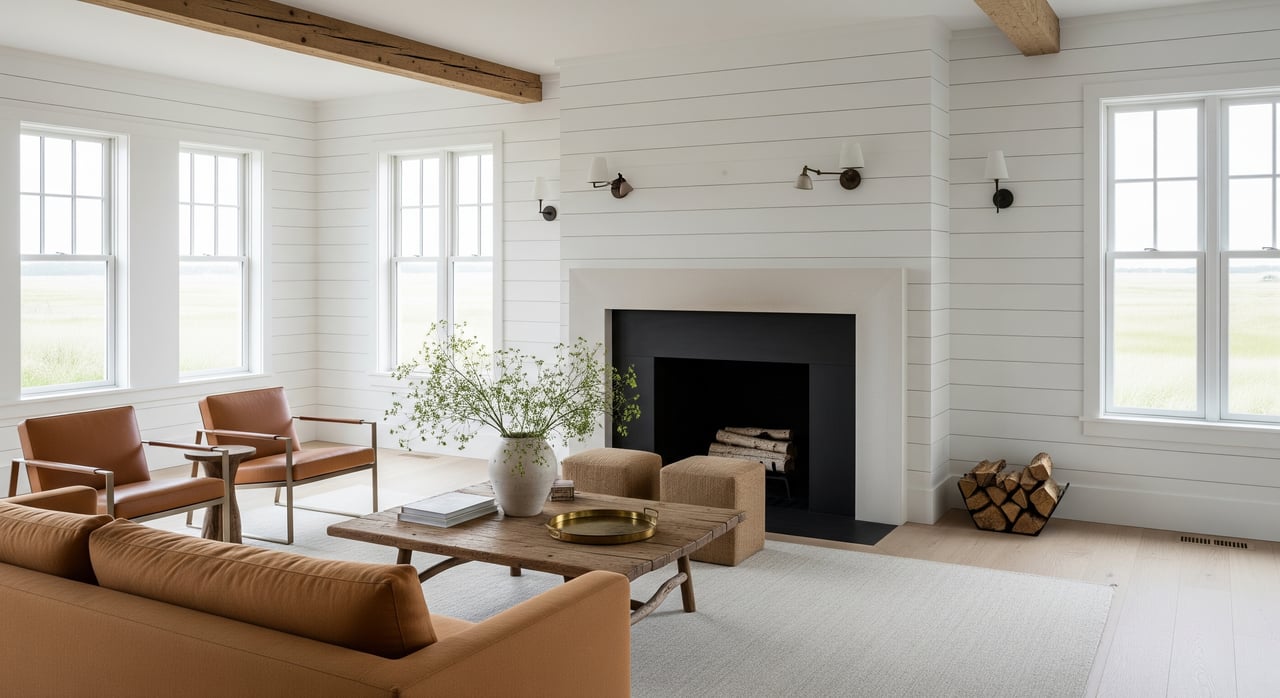
Use warm neutrals that complement historic details: creamy whites, warm greys, soft taupes, and muted greens. Layer wood tones with reclaimed or distressed finishes where appropriate to underscore authenticity. Keep fixtures in brass or matte black and avoid ultra‑gloss surfaces.
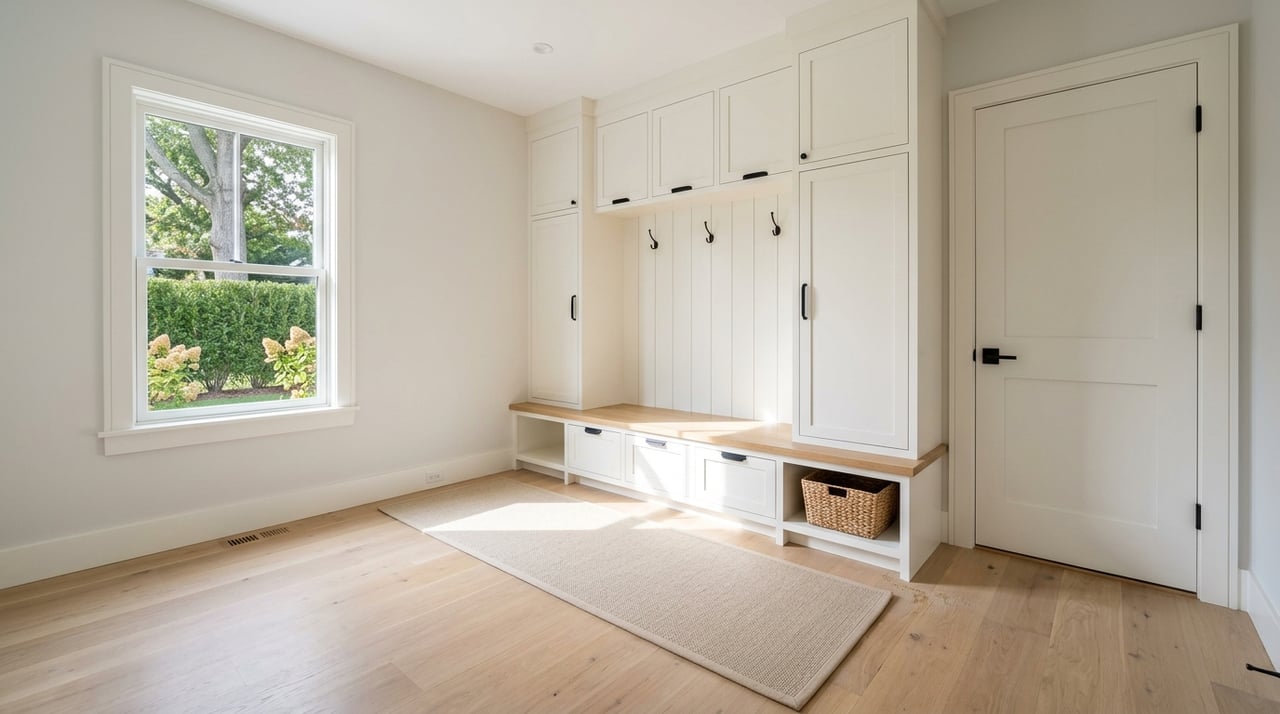
Choose slightly larger, comfortable pieces that suit generous farmhouse rooms. Create defined zones for conversation and dining, and use area rugs to anchor each zone. Keep pathways clear, especially from entry to living areas and toward the yard or terrace, to emphasize flow.
Let original elements shine. Wide‑plank floors, beams, molding, built‑ins, fireplaces, and broad windows are the stars, so keep sightlines open. If you have shiplap or beadboard, use neutral paint to keep it current and let texture do the work.
Curate a few artisanal objects: baskets, farmhouse bowls, and layered throws. Greenery, like eucalyptus or potted olive trees, reinforces indoor‑outdoor living and reads as low maintenance. Minimize personal photos so buyers can imagine their own story.
Highlight functional updates such as well‑kept appliances and solid counters. Keep styling simple and purposeful, like a wooden cutting board with fresh herbs or a bowl of lemons. The message is comfort, function, and care.
Choose cool neutrals with sharp contrast: crisp whites, cool greys, and charcoal, with occasional warm wood or leather accents. Prioritize sleek, matte fixtures, stone counters, and large format tile. Keep lines clean and finishes cohesive.
Opt for low‑profile, modular seating that keeps sightlines open and shows off geometry and glazing. Use fewer but higher‑quality pieces to avoid clutter. Arrange seating to frame views, fireplaces, or a sculptural stair, and to connect naturally to outdoor spaces.
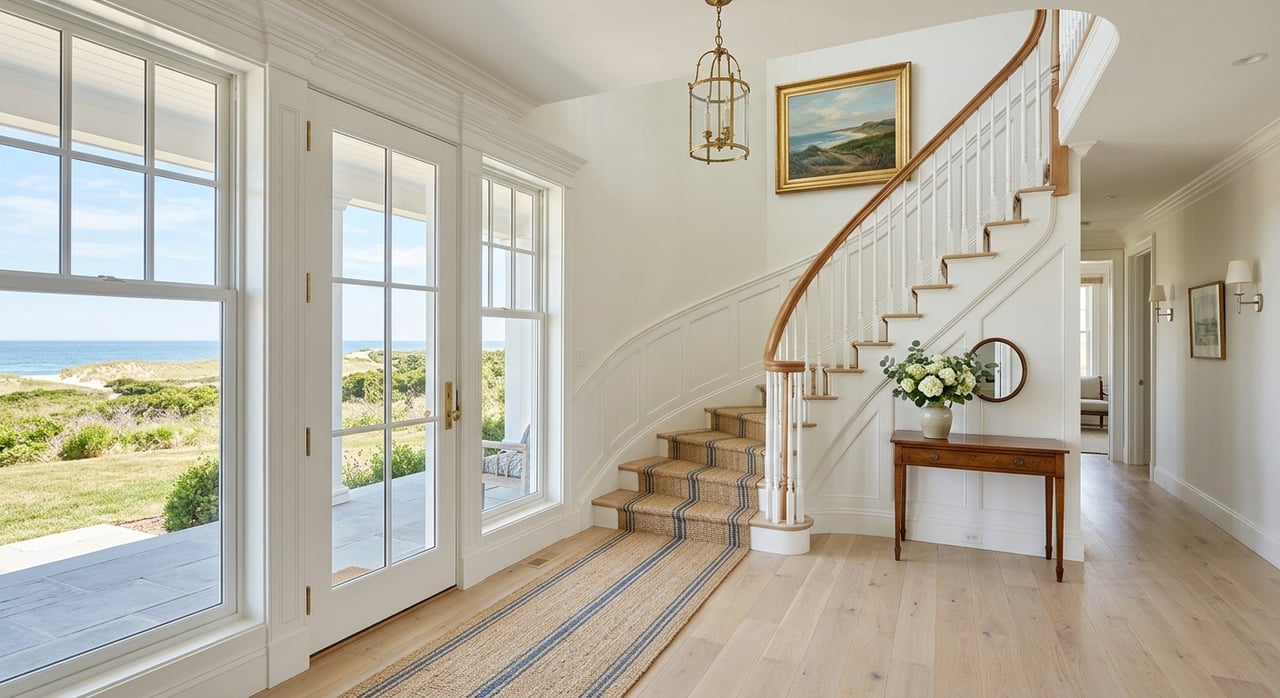
Make the most of large windows, expansive glass, open plans, and integrated lighting. If you have continuous flooring from inside to terrace, stage both so the connection is clear. Keep window treatments minimal to maximize natural light.
Choose minimal, sculptural decor and a tight color story. One statement artwork or a single textured throw can be enough. Monochrome or duotone textiles reinforce simplicity and polish.
Keep counters almost bare. A single designer object, like a coffee maker or a vase, is all you need. Update dated fixtures that break the modern look so hardware and lighting feel consistent.
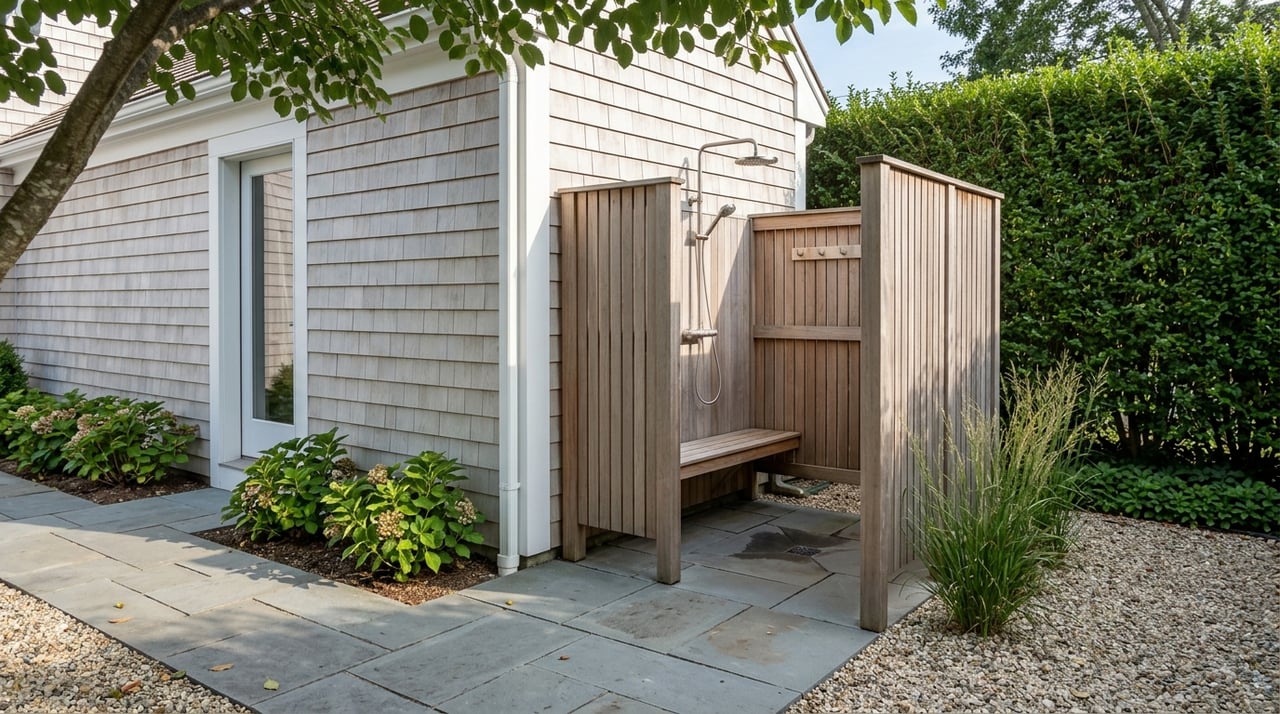
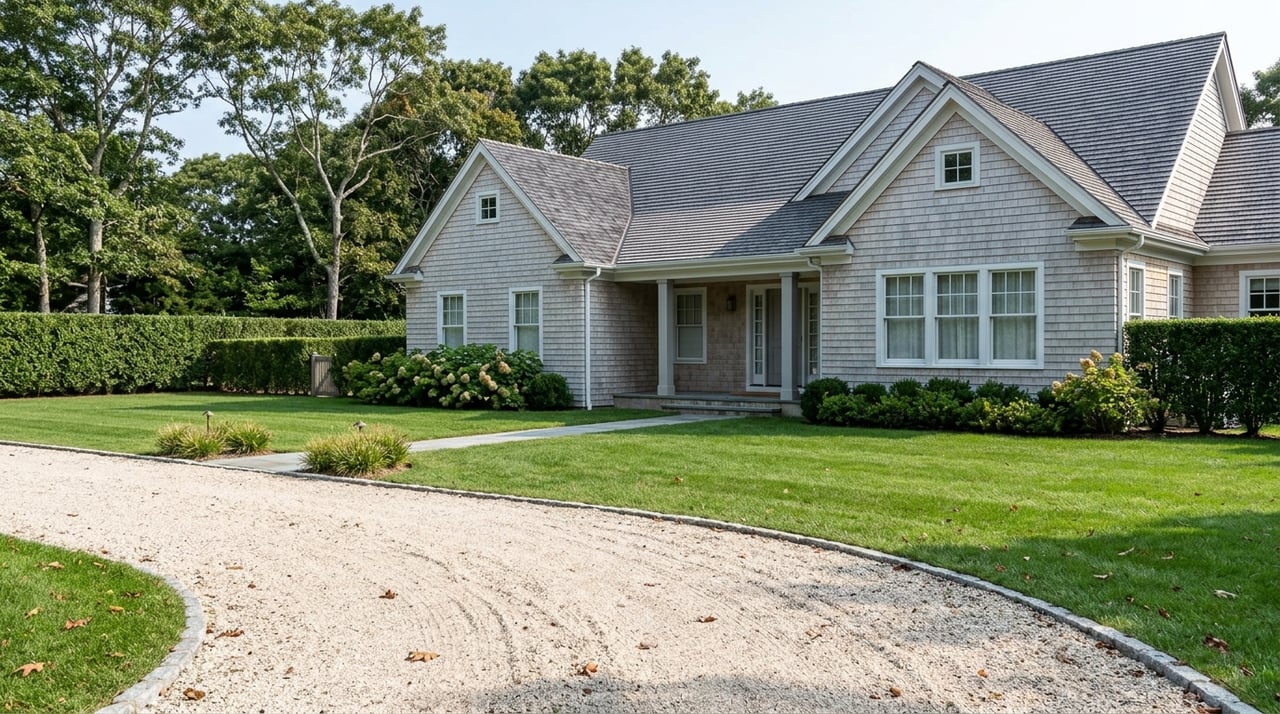
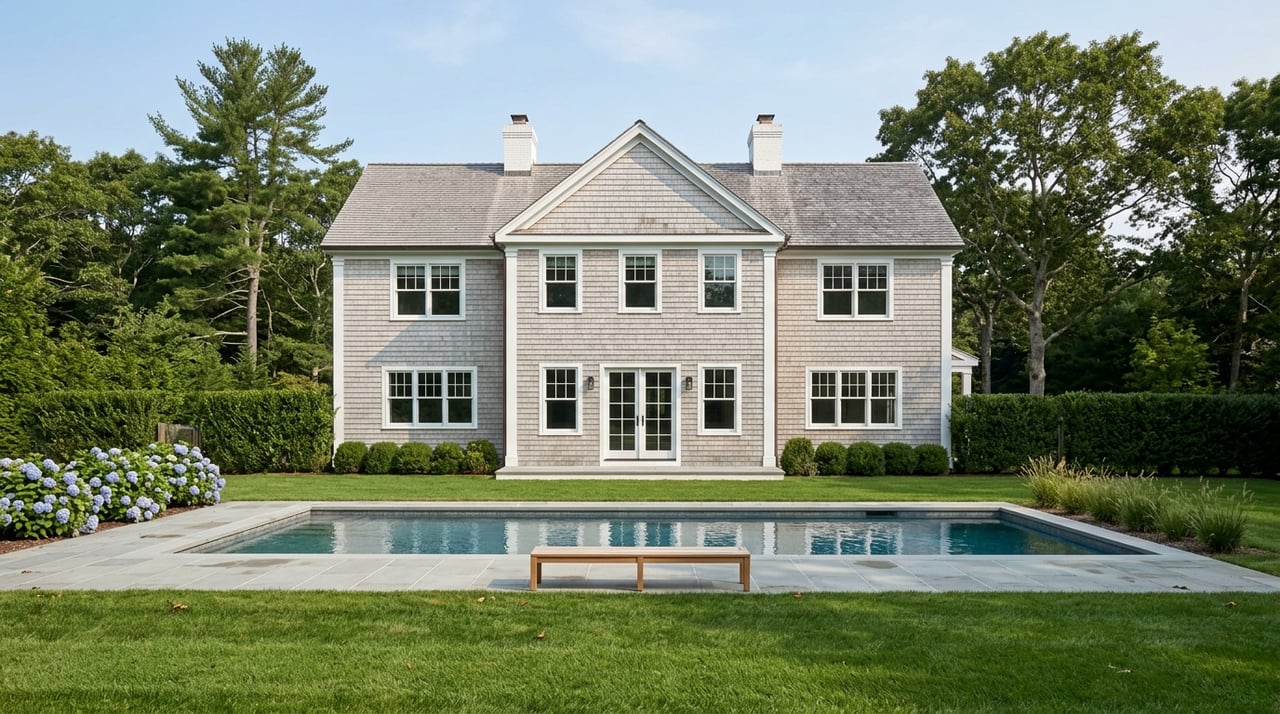
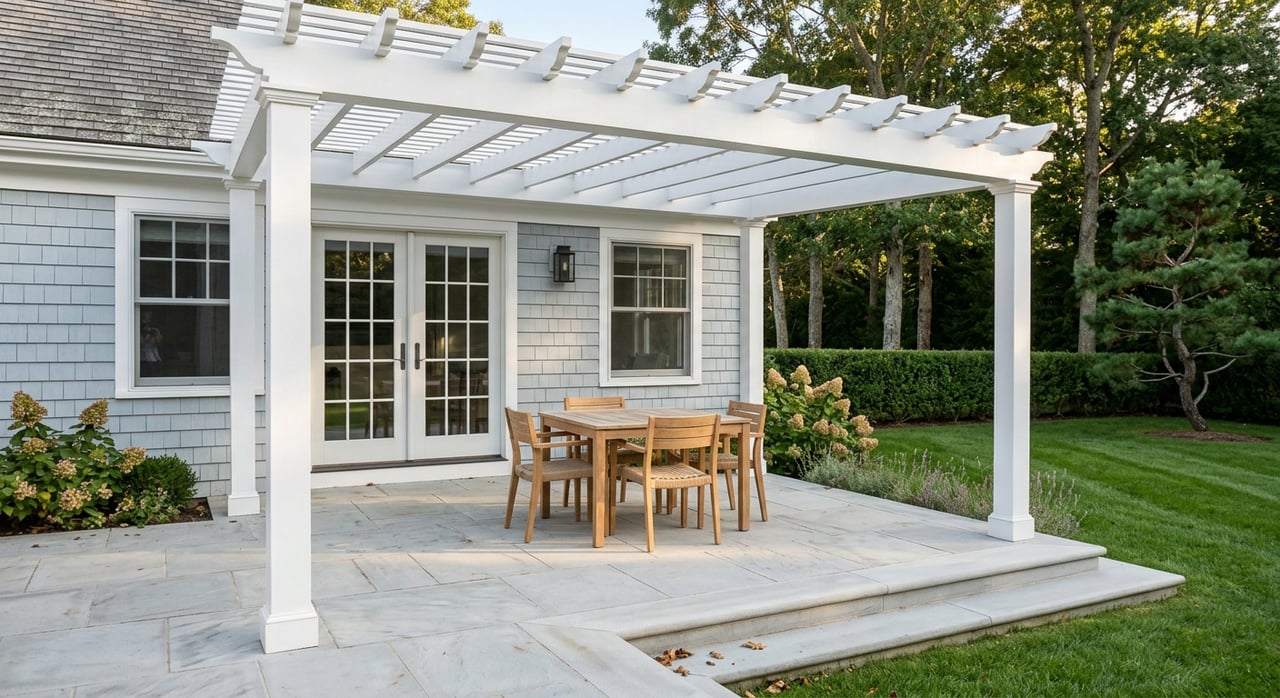
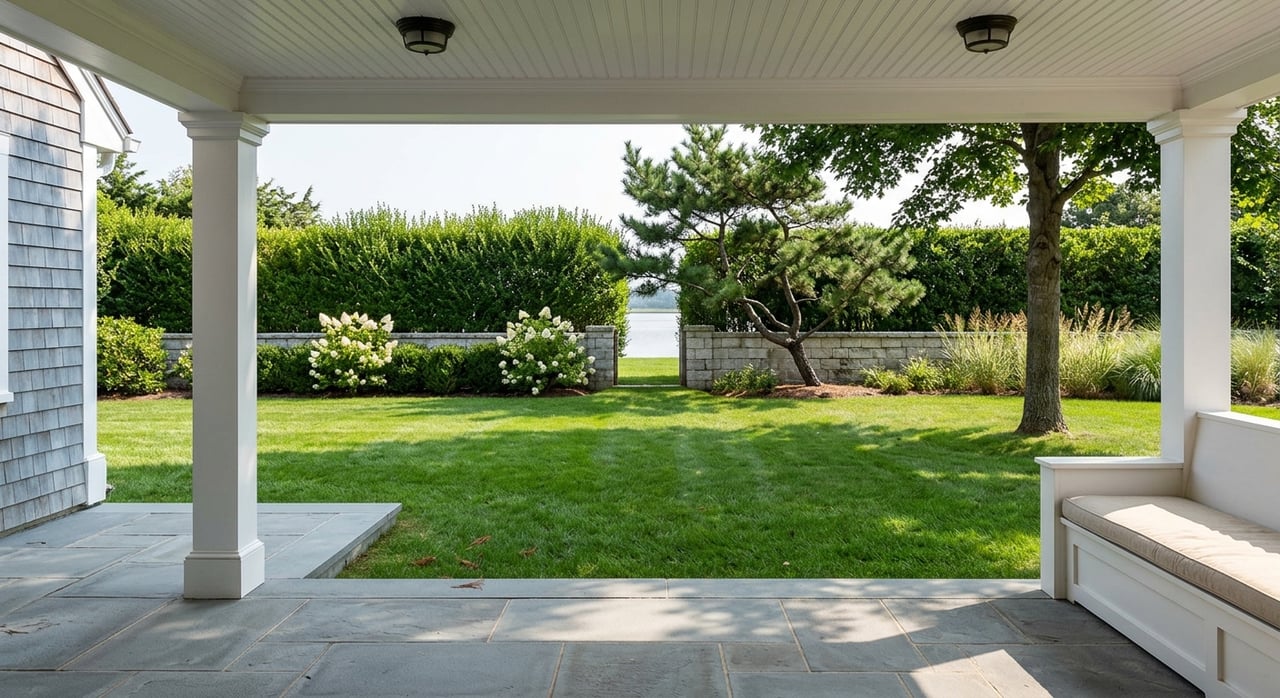
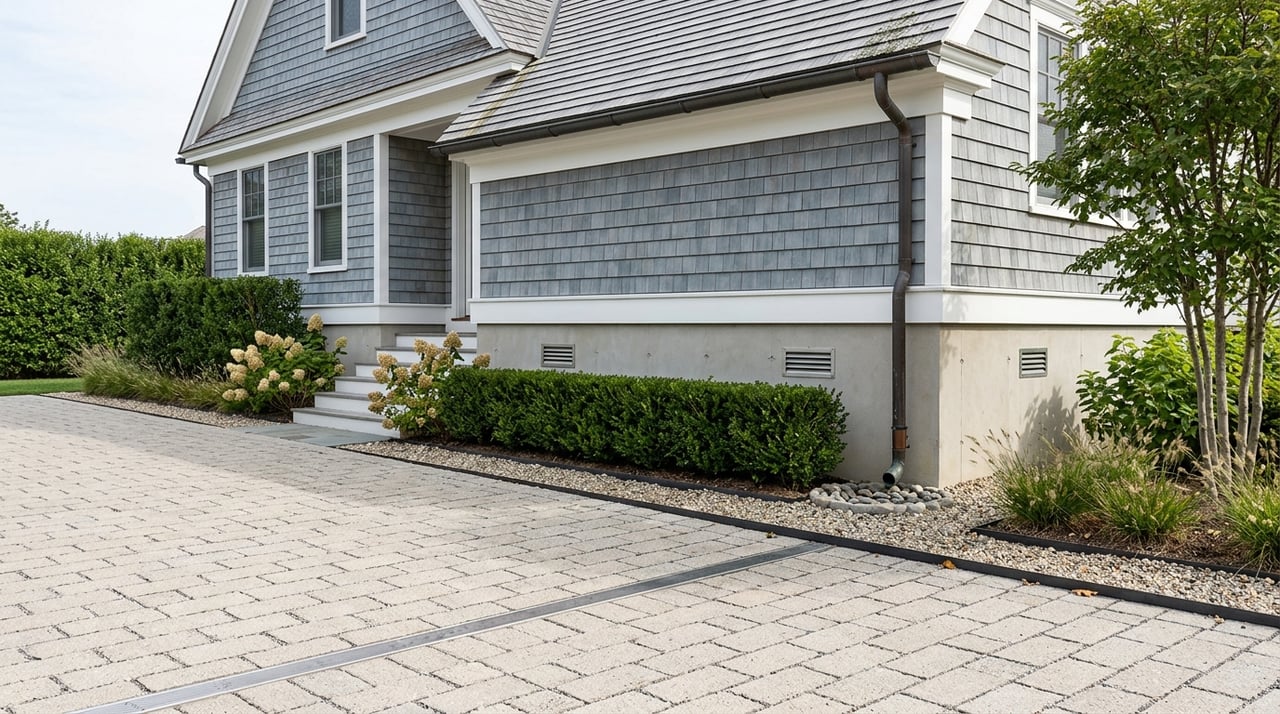
Wainscott buyers prize indoor‑outdoor flow, especially with beach proximity and summer living. Stage a primary outdoor dining area and a lounge zone with weather‑friendly textiles. Keep lawns neat, hedges trimmed, and driveways clean. If you have access to dunes, a pond, or beach pathways, make sure routes are visible, tidy, and easy to navigate.
Buyers often evaluate Hamptons listings remotely and make quick decisions, so your photo story matters. Aim for natural light, clean framing, and uncluttered shots. Present a narrative from approach to interiors to outdoor living, with a few detail moments to reinforce lifestyle.
For most single‑family homes in this market, plan for 20 to 30 professional images, plus aerials and a twilight hero if appropriate. Schedule exterior and twilight sessions when landscaping reads well. For pre‑spring listings, plan photography 1 to 2 weeks after exterior cleanup and staging so everything settles and looks polished.
Use this working plan if you want to go live before spring. Adjust as needed for your scope and calendar.
Budgets vary with size and scope. In luxury markets like the Hamptons, professional staging and photography are common line items that help listings compete. Get multiple quotes for full rental staging versus partial styling, and hire a photographer experienced with high‑end coastal properties. Use local contractors and landscapers who understand seasonal timing in Wainscott.
If you want a sharper plan tailored to your home, ask for a brief walk‑through and pricing strategy. You will align on staging direction, timeline, and the photo story that will resonate with Wainscott buyers this season. For personalized guidance and full listing services backed by Brown Harris Stevens marketing, connect with David Tenenbaum.
Stay up to date on the latest real estate trends.
David is relationship-driven with all his customers and business contacts and understands that being honest every step of the way is the only way to conduct business. As a result, his reputation in the industry is simply stellar. David is always energized at the idea of selling his clients’ homes with Brown Harris Stevens’ award-winning marketing and technology.