Westhampton Home Buying: How to Evaluate Flood Risk
Buying near the water in Westhampton can feel like the best of the Hamptons wrapped into one decision, but flood risk deserves just as much attention as layout, light, and location. If you are considering a home here, you need a clear picture of how flood zones, storm surge, elevation, and insurance may affect both your costs and your long-term plans. This guide walks you through the key checks so you can evaluate a property with more confidence and fewer surprises. Let’s dive in.
Westhampton and Westhampton Beach are coastal South Shore communities, so flood risk is a routine part of buyer due diligence rather than a rare exception. According to the Village of Westhampton Beach hazard-mitigation annex, the southern third of the village near the bays, including Dune Road, is vulnerable to flooding, and future map updates can move properties into flood zones even if they were not previously included.
That local reality fits the bigger regional picture. The Long Island South Shore Estuary Reserve plan notes that low elevations, proximity to large bodies of water, storm surge, erosion, sea-level rise, wetland loss, and impervious surfaces all contribute to flood risk on the South Shore.
For you as a buyer, that means flood risk should be treated as a practical ownership issue. It can affect insurance, financing, future improvements, and your comfort level during major weather events.
Your first stop should be the official FEMA Flood Map Service Center. You can search by property address, review the effective Flood Insurance Rate Map, download the Flood Insurance Study, and check whether any Letters of Map Revision were issued after the current map date.
This matters because the official FEMA map is what lenders and insurers often look to first. It is also the baseline for understanding whether a property may fall within a Special Flood Hazard Area.
Westhampton Beach’s local flood code identifies current effective FEMA panels and notes a Letter of Map Revision effective December 21, 2023 that revised two panels. In other words, map status is not frozen in time, so it is worth checking the most current records for any property you are seriously considering.
FEMA defines the Special Flood Hazard Area as the area with a 1% annual chance of flooding, often called the base flood or 100-year flood. On coastal properties, a few common designations matter most:
FEMA’s flood insurance terminology index is helpful here, especially because coastal FIRMs are designed to show storm surge and wave exposure, not just standing water risk.
A FEMA map is essential, but it is only one part of the picture. Suffolk County treats storm surge as an island-wide issue, not just an oceanfront issue, which is an important distinction for buyers looking at inland or bay-adjacent homes.
The county’s Know Your Zone and GIS tools can add useful context, especially for emergency planning. You can enter an address to see whether a property sits within a storm-surge evacuation zone, though the county also states that its GIS maps are for general reference only and accuracy is not guaranteed.
A smart approach is to use FEMA as the official map source, then use county tools to understand the broader local setting. That combination often gives you a more realistic view of how a property may function during severe weather.
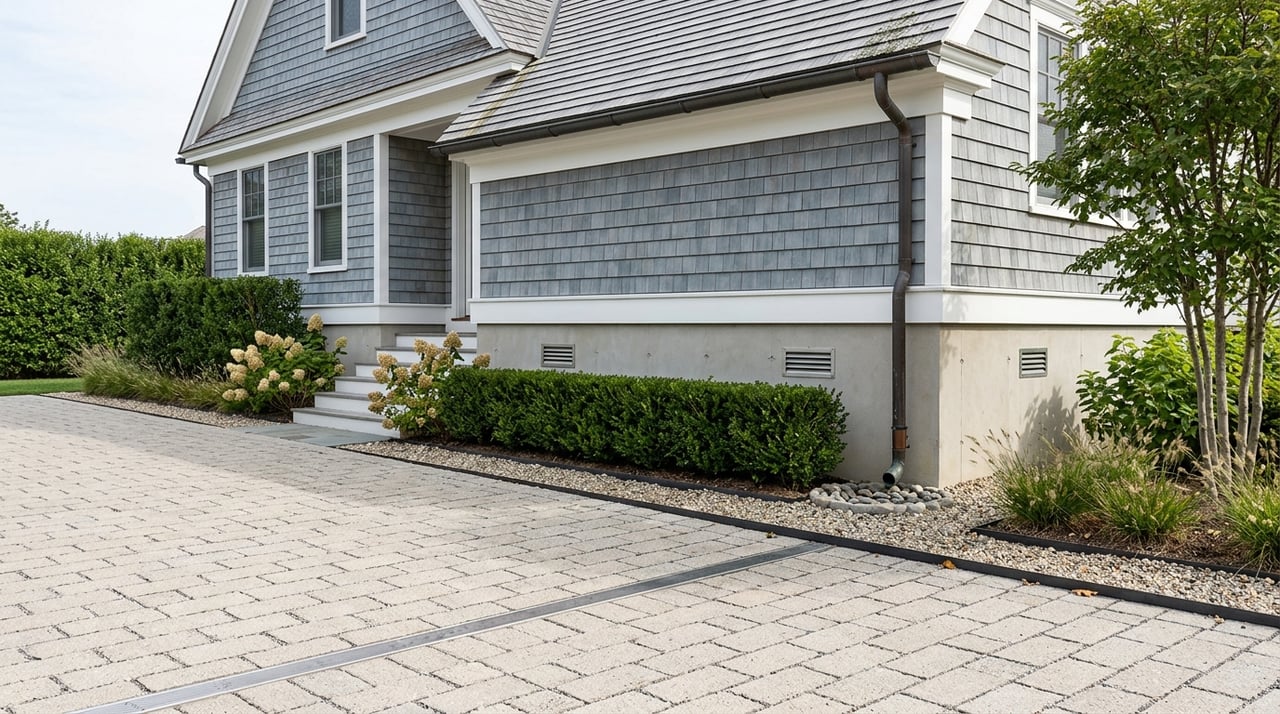
Two homes on the same street can carry very different flood profiles if their elevations differ. That is why elevation is one of the most important details to review before you move forward.
An elevation certificate documents a property’s elevation relative to the Base Flood Elevation, and FEMA notes that it can also be used by the property owner to obtain flood insurance. If a seller has one available, it should be part of your due-diligence file.
FEMA also notes through FloodSmart guidance that the higher the first-floor elevation, the less likely a home is to suffer flood damage. That same guidance points to another key issue: utilities. Mechanical systems elevated above the Base Flood Elevation may reduce vulnerability compared with systems installed lower.
In Westhampton Beach, local permitting reflects how seriously the village treats floodplain construction. The village’s building permit checklist calls for a FEMA elevation certificate when applicable and notes that it may be required before a Certificate of Occupancy.
The same checklist also requires floodplain lines and crest-of-dunes information on the plot plan, and it states that fill in floodplain areas requires Planning Board approval. For you, that is a signal that site conditions and prior improvements deserve close review, especially on coastal or low-lying parcels.
The village hazard-mitigation annex also states that homes on Dune Road are often built to a higher minimum elevation in anticipation of VE-zone changes, and that permit reviews use FEMA tools, dune-crest surveys, and flood elevation certificates. Many residential permits in the floodplain involve elevation or reconstruction to current FEMA standards.
Flood insurance is not the same as homeowners insurance. According to FEMA’s flood insurance FAQ, most homeowners policies do not cover flood damage, and flood insurance may cover the building, contents, or both depending on the policy.
If you are using a federally backed loan and the building is in a Special Flood Hazard Area, the lender must notify you about the requirement and enforce mandatory flood insurance purchase rules. That can directly affect your monthly housing cost.
Even outside the highest-risk zones, insurance still deserves attention. FEMA says nearly 1 in 4 NFIP claims come from moderate-to-low risk areas, which is one reason Suffolk County emergency management recommends flood insurance for all county residents, especially those in storm-surge zones.
When you evaluate a Westhampton property, it helps to think in three parts: the FEMA map, the property’s elevation, and the local storm-surge and permitting context. Looking at only one of those can leave gaps.
Here is a practical checklist to use during your home search:
This process does not have to feel overwhelming. It simply gives you a more complete view of the property you may own.
Sometimes a property appears to be mapped into a flood area inaccurately. If that happens, FEMA allows a formal map-change request for a property that has been incorrectly identified as being in the Special Flood Hazard Area.
That does not mean every disputed map outcome will change, but it does mean there is a formal path to review if the data and site conditions support it. In those cases, good records matter, especially the survey, elevation certificate, and relevant permit documents.
Westhampton offers the coastal setting many buyers are looking for, but waterfront and near-water ownership comes with responsibilities. The goal is not to avoid the conversation about flood risk. The goal is to understand it early so you can make a better decision.
When you review official maps, verify elevation, understand local permitting, and plan for insurance, you put yourself in a much stronger position. If you are considering a purchase in Westhampton or anywhere across the East End, David Tenenbaum can help you evaluate properties with the kind of local context that supports a smarter, more confident move.
Stay up to date on the latest real estate trends.



David is relationship-driven with all his customers and business contacts and understands that being honest every step of the way is the only way to conduct business. As a result, his reputation in the industry is simply stellar. David is always energized at the idea of selling his clients’ homes with Brown Harris Stevens’ award-winning marketing and technology.