Shelter Island Weekend To Second Home Journey
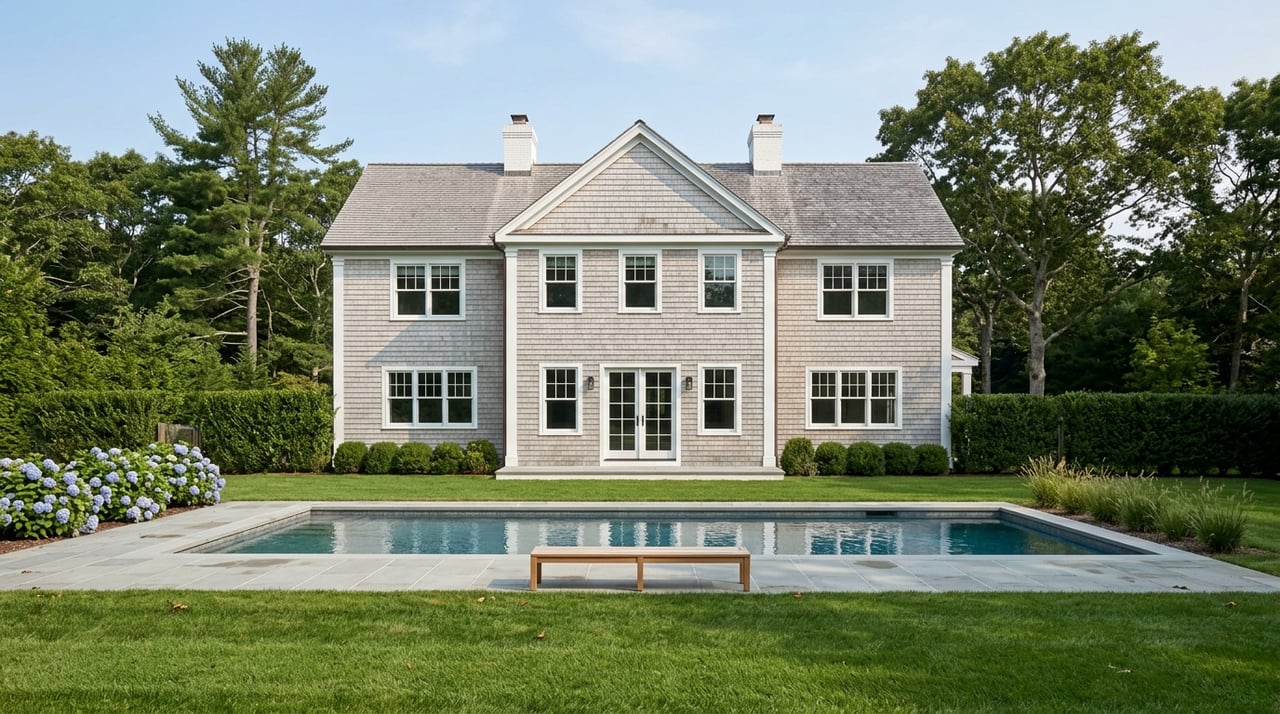
If your best weekends keep ending with, “Could we actually live this way more often?” Shelter Island deserves a closer look. For many East End buyers, what starts as a ferry ride and a beach day slowly turns into a real second-home search. This guide will help you understand how that shift happens, what daily life on Shelter Island really feels like, and why planning ahead matters in a market with limited inventory. Let’s dive in.
Shelter Island sits in Suffolk County between the North and South Forks, and you can only reach it by car ferry from Greenport or North Haven. That extra step shapes the experience in a meaningful way. It helps the island feel separate from the pace of the mainland, even when you are only a short ride away.
The island is about 27 square miles, with a small year-round population that grows sharply in summer. Official local sources vary by count, but they consistently show a modest full-time community and a much larger seasonal one. That pattern helps explain why Shelter Island often appeals to second-home buyers who want a place that feels lively in season but grounded year-round.
Local planning materials also note something important: many summer residents are multigenerational owners, and it is not uncommon for seasonal residents to become year-round residents later in life. In other words, Shelter Island is not just a weekend backdrop. It is a place where ownership often deepens over time.
The journey usually starts simply. You come over for a long weekend, learn the ferry rhythm, find a beach you return to, and settle into a slower routine that feels easy to repeat. After a while, the island stops feeling like a getaway and starts feeling familiar.
That familiarity matters because second-home decisions are rarely only about the house itself. They are also about whether your weekends feel easier, more restorative, and more yours. On Shelter Island, the appeal often comes from repetition: the same ferry crossing, the same favorite meal, the same stretch of shoreline, and the same sense that you can exhale when you arrive.
For some buyers, that pattern becomes the strongest reason to own. You are not buying an abstract idea of East End life. You are buying into a routine you have already tested.
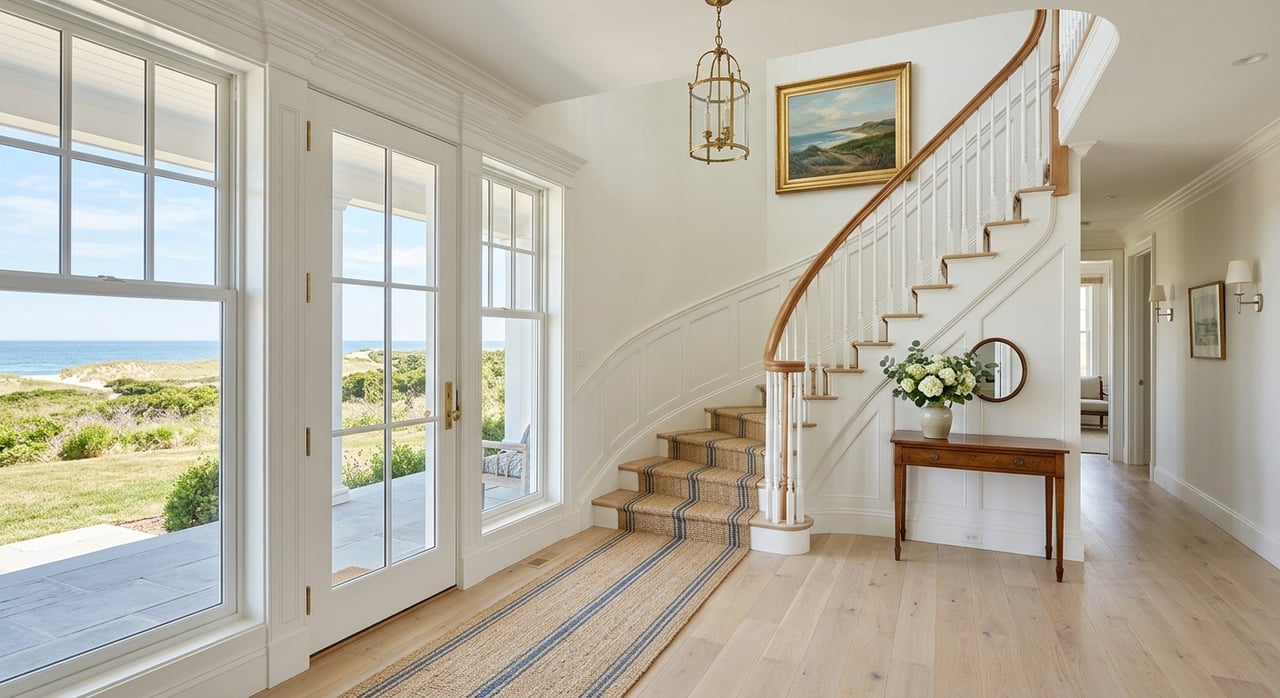
Shelter Island’s lifestyle is strongly tied to the outdoors. Town materials highlight walkable open space and preserved land, with public access encouraged in many natural settings including woods, meadows, creeks, ponds, beaches, and wildlife areas. If you value fresh air and low-key recreation, that character is a major part of the draw.
The island also has a notable amount of protected land. One local profile describes about one-third of Shelter Island as protected by the Nature Conservancy. That preserved character helps keep the island feeling open, quiet, and residential rather than built around large-scale resort amenities.
Public beaches add to that easy rhythm. The town lists Crescent Beach, Wades Beach, Shell Beach, Menhaden Lane Beach, and Fresh Pond among its public beach options, with Crescent and Wades identified as bathing beaches. For many owners, that means your best summer moments can be simple and spontaneous rather than heavily planned.
One of Shelter Island’s biggest strengths is that it feels small without feeling empty. The local dining scene is compact, but varied enough to support a comfortable weekend pattern. Chamber listings include hotel dining, cafes, bistros, bagel shops, and waterfront grills such as The Chequit, The 1901 Grill, Vine Street Cafe, Stars Cafe, The Eccentric Bagel, Leon 1909, Opties & Dinghies, Demarchelier Bistro, and Salt Waterfront Bar & Grill.
That variety matters because a second-home market works best when daily life has texture. You want enough options to make a weekend feel full, but not so many that the place loses its small-scale charm. Shelter Island tends to strike that balance well.
Community events reinforce the same feeling. The chamber calendar includes recurring local events like the Duck Race, Art Show & Craft Fair, Fire Department Country Fair, Tree Lighting, and Business of the Year Awards Dinner. The tone is distinctly local, which gives the island a lived-in sense of community beyond the summer season.
If you are thinking seriously about buying here, ferry access is not a side note. It is part of the ownership experience. Shelter Island is accessible only by car ferry, with North Ferry operating from Greenport and South Ferry from North Haven.
The two ferry systems are separate, so schedules and pricing are not identical. According to the chamber, North Ferry runs daily on a first-come, first-served basis with no reservations and departures every 8 to 15 minutes, with cash or check payment only. South Ferry also runs year-round, generally every 10 to 15 minutes, and does not require reservations.
For many buyers, this becomes second nature. Still, it is smart to think about how the ferry fits your routine, especially if you plan to make frequent weekend trips. The right house on Shelter Island is not only about the home itself, but also about how smoothly the logistics work for you.
Shelter Island is not a broad-inventory market. Current market snapshots from major portals differ in exact figures, but they point in the same direction: available homes are limited, prices are generally in the multi-million-dollar range, and the path to purchase can take time.
One current snapshot shows 71 homes for sale with a median listing price of $2.68 million and a median 221 days on market. Another showed 57 homes in inventory with a median list price of about $2.10 million. While methodology varies, the larger takeaway is consistent: this is a thin-inventory market where preparation matters.
That has a practical implication for second-home buyers. If you hope to own by a particular season, it is wise to begin your search well before that season arrives. Waiting until peak demand is visible often means you are making decisions under more pressure and with fewer options.
One of the smartest ways to evaluate Shelter Island is to experience it at different times of year. A peak-summer visit can show you the island at its most active, with fuller beaches, busier restaurants, and a larger seasonal population. An off-season visit can show you what the quieter, year-round rhythm actually feels like.
That comparison is especially useful here because summer population estimates rise dramatically above the year-round base. A home that feels perfect in July may carry a different appeal in November, and vice versa. Seeing both versions can help you make a more confident decision.
When you visit, pay attention to the details that shape ownership. Notice the ferry cadence, restaurant hours, beach routines, and how much driving you want to do once you are on the island. Those small observations often tell you more than a listing description can.
For the right buyer, Shelter Island can be more than a second home. Local planning materials specifically note that seasonal residents often become year-round residents later in life. That does not happen everywhere, and it says something meaningful about the island’s staying power.
Part of that comes from scale. Shelter Island has its own small PreK-12 school district, and the 2024-25 school profile lists 188 students, an average class size of 13, and an 8:1 student-teacher ratio. More broadly, those numbers reflect a small, residential community with a real year-round presence.
Even if you are shopping for a weekend house today, it helps to think one step ahead. Could the property work for longer stays? Could your routine evolve over time? On Shelter Island, those are practical questions, not distant hypotheticals.
A successful Shelter Island search usually starts with clarity about lifestyle. Before you focus on finishes and square footage, think about how you want to use the property.
Ask yourself:
Once those answers are clearer, your home search becomes more focused. Instead of shopping broadly, you can evaluate each property through the lens of how you actually plan to live there.
The strongest reason buyers move from weekend visitor to owner on Shelter Island is not hype. It is fit. The island offers preserved land, public beaches, a compact dining scene, recurring community events, and a ferry-based rhythm that feels manageable once it becomes familiar.
That mix creates a lifestyle that is both relaxed and structured. You are not trying to consume everything at once. You are building a pattern that feels sustainable, personal, and worth returning to.
If that sounds like the kind of second-home ownership you want, a thoughtful early search can make all the difference. When you understand the island beyond a single sunny weekend, you are in a much better position to buy well and buy with confidence.
If you are thinking about making the jump from visitor to owner, Hamptons Privé Team can help you evaluate Shelter Island through both a lifestyle and market lens, with the high-touch guidance that matters in a limited-inventory East End market.
Stay up to date on the latest real estate trends.
David is relationship-driven with all his customers and business contacts and understands that being honest every step of the way is the only way to conduct business. As a result, his reputation in the industry is simply stellar. David is always energized at the idea of selling his clients’ homes with Brown Harris Stevens’ award-winning marketing and technology.