Living on Shelter Island: A Guide to Quiet Coastal Luxury
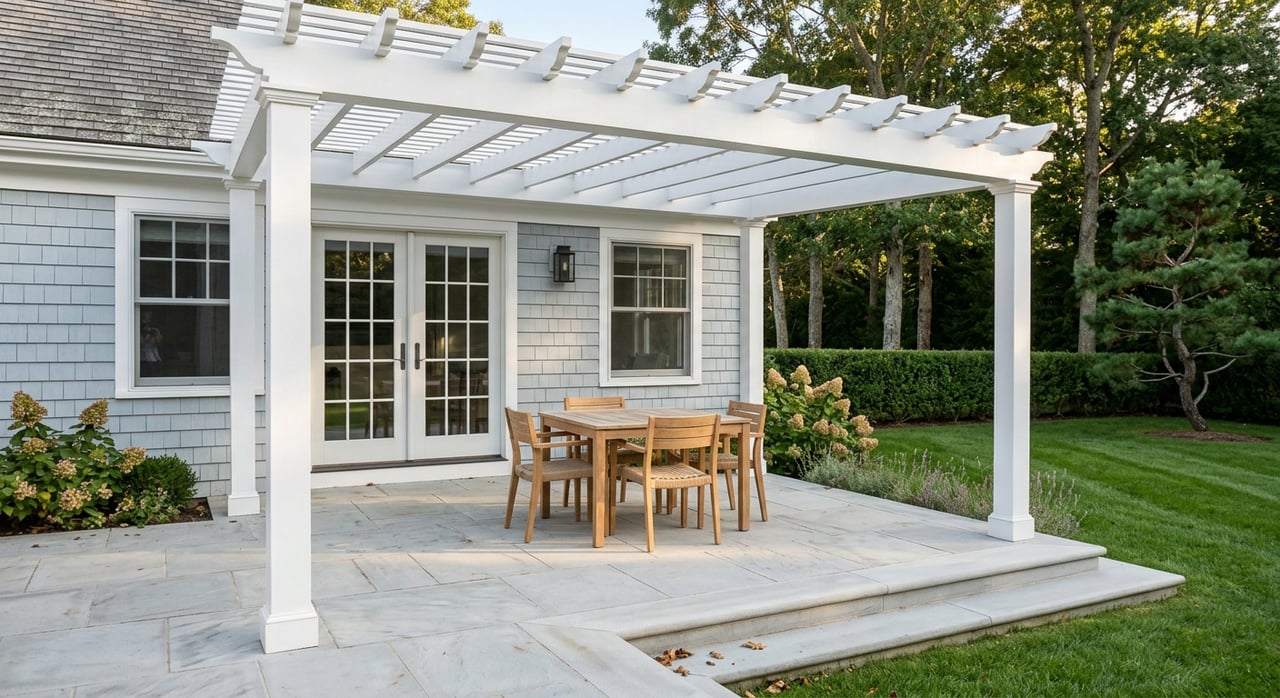
If you are drawn to the Hamptons but want a setting that feels more private, more natural, and a little more removed from the rush, Shelter Island deserves a closer look. This is a place where the trip over by ferry is part of the experience, and where water, open land, and a slower daily rhythm shape how you live. If you are wondering what everyday life here actually feels like, this guide will help you picture it. Let’s dive in.
Shelter Island sits between the North Fork and South Fork as one of Suffolk County’s ten towns. The 2020 Census counted 3,253 residents, which helps explain why the island feels intimate and low-key compared with busier East End destinations.
A big part of that identity starts before you even arrive. The island is accessible only by car ferry, with North Ferry from Greenport and South Ferry from North Haven, and both operate year-round on a drive-up, first-come, first-served basis. That ferry-dependent routine creates a natural sense of separation from the mainland.
Shelter Island is not trying to compete with louder resort towns. The island’s rural character has been preserved through careful zoning, and the 35 mph speed limit reinforces a lifestyle that feels measured rather than hurried.
For many buyers, that is the point. You come here for privacy, discretion, and the chance to move through your day without constant noise or pressure. The mood is more about long mornings, scenic drives, and familiar routines than packed calendars.
Like most East End destinations, Shelter Island gets busier in summer. Ferry service expands during the peak season, with later-night and more frequent service helping residents and visitors move on and off the island more easily.
Even so, the island’s overall character stays grounded in quiet coastal living. Outside the busiest weeks, many people are especially drawn to the calmer shoulder seasons, when the same beaches, roads, and preserves feel even more peaceful.
On Shelter Island, being near the water is not an occasional perk. It is a defining part of the lifestyle. Whether you spend your time boating, kayaking, walking the shoreline, or heading out for a beach afternoon, the island keeps water close to everyday life.
The Shelter Island Chamber highlights three deep-water harbors with marinas, which speaks to the island’s strong boating culture. For buyers who want easy access to harbor life without a more commercial resort atmosphere, that balance is part of the appeal.
The town identifies several public beaches and bathing areas, including:
Crescent Beach and Wades Beach also offer lifeguards and comfort stations. That gives you a mix of options, from simple shoreline escapes to beaches that support a longer, more traditional day by the water.
One of Shelter Island’s clearest strengths is how much land remains protected and accessible. The town’s maps and trails resources emphasize the goal of protecting the island’s natural heritage, and that commitment is visible in the way open space remains central to the landscape.
For you as a buyer, that matters in practical ways. Protected land helps preserve views, supports a quieter setting, and keeps the island rooted in nature instead of overdevelopment. It also means daily life can include walks, bike rides, and time outdoors without needing much planning.
Mashomack Preserve is one of the island’s signature natural assets. According to The Nature Conservancy, it spans 2,350 acres, includes 11 miles of coastline, and is open to the public from dawn to dusk seven days a week.
That scale is remarkable on an island of this size. It gives Shelter Island a strong sense of visual openness and makes nature feel woven into daily living rather than pushed to the edges.
On Shelter Island, quiet luxury is less about scene and more about setting. It is the luxury of privacy, protected land, shoreline access, and a lifestyle that does not feel crowded or overprogrammed.
That can mean a morning walk through preserved trails, an afternoon on the water, and dinner at a favorite local spot without needing a complicated plan. It is a refined kind of ease, especially for second-home buyers who want a retreat that feels restorative from the moment they arrive.
Although Shelter Island feels removed, it is not disconnected. The year-round ferry system keeps the island tied to both forks, which helps create a balance many buyers want: a sense of escape with practical access still in place.
That balance is one reason the island appeals to buyers who value discretion and breathing room. You can enjoy a more secluded setting while still remaining connected to the broader East End.
Shelter Island’s dining scene is compact, local, and easy to get to know. Rather than a long list of high-turnover spots, the island offers a smaller collection of restaurants, markets, cafes, and delis that support a comfortable day-to-day rhythm.
The Chamber’s current takeout and delivery list includes Commander Cody’s Seafood Market & Restaurant, 18 Bay, Isola, Vine Street Café & Market, Maria’s Kitchen, Marie Eiffel Market, Elli’s Country Store, STARs Café, The Islander, and Eagle Deli. That mix points to a lifestyle built around familiar places, casual meals, seafood, breakfast stops, and local markets.
If you want dense retail corridors and a packed nightlife calendar, Shelter Island may feel too quiet. But if you value a smaller-scale routine with satisfying essentials close at hand, the island’s limited but established options can feel like a strength.
For many second-home owners, that is exactly the draw. Daily life here tends to be simpler, more repeatable, and easier to settle into over time.
Shelter Island tends to resonate with buyers who are looking for a very specific East End experience. The strongest fit is often someone who values ferry access, beaches, preserved land, boating, biking, and a more private atmosphere.
This can be especially appealing if you are searching for a second home centered on habit and place rather than constant activity. Shelter Island supports repeat summer rituals, quiet weekends, and a shoulder season that can feel especially restorative.
Many buyers drawn to Shelter Island are looking for:
Those priorities align closely with what the island actually offers. That is an important distinction, because the best real estate decisions usually come from matching lifestyle expectations to place.
Shelter Island’s strengths are clear, but they work best for buyers who embrace the island’s rhythm. Ferry access is part of daily life, and the local dining and shopping landscape is intentionally more limited than what you will find in larger East End hubs.
That is not a drawback for everyone. In fact, for many buyers it is exactly what gives Shelter Island its character. The key is understanding that the island offers a quieter, more nature-driven version of Hamptons living.
There are many beautiful places across the East End, but Shelter Island occupies a distinct lane. It offers beaches, boating, preserved land, and a strong sense of retreat, all in a town small enough to feel personal and protected.
If your idea of luxury includes peace, space, shoreline, and a slower pace by the bay, Shelter Island is easy to understand once you experience it. It is not trying to be everything. It is simply very good at being itself.
If you are considering buying, selling, renting, or valuing a home on Shelter Island or elsewhere across the East End, Hamptons Privé Team offers personalized guidance with local market insight and a high-touch approach.
Stay up to date on the latest real estate trends.
David is relationship-driven with all his customers and business contacts and understands that being honest every step of the way is the only way to conduct business. As a result, his reputation in the industry is simply stellar. David is always energized at the idea of selling his clients’ homes with Brown Harris Stevens’ award-winning marketing and technology.