Why Springs Attracts Creatives And Remote Hamptons Buyers
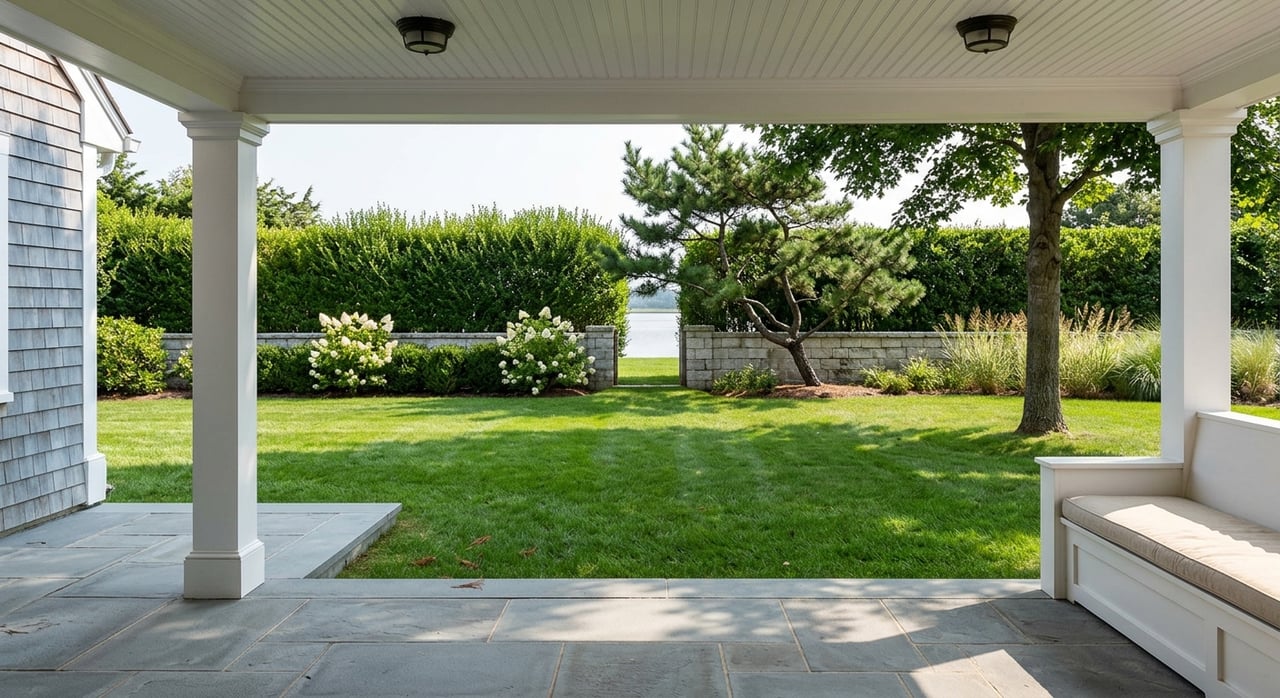
If you have been looking at the Hamptons and wondering where creativity, calm, and everyday livability still meet, Springs deserves a closer look. For many buyers, especially remote professionals and design-minded second-home shoppers, the appeal is not just about being in East Hampton. It is about finding a place that feels more grounded, more residential, and more connected to nature and local culture. That is exactly where Springs stands out. Let’s dive in.
Springs is a hamlet in the Town of East Hampton, about 90 miles east of Manhattan. Local sources describe it as a small-town community shaped by its maritime setting, with views over Gardiner’s Bay and the Peconic Estuary. That setting gives Springs a quieter, more lived-in feel than buyers sometimes expect from the Hamptons.
This matters if you are not searching for a resort-style experience alone. Springs often appeals to people who want the East End lifestyle with a stronger sense of neighborhood rhythm. The result is a market that feels both relaxed and rooted.
For creatives, Springs has a story that goes far beyond aesthetics. The Pollock-Krasner House and Study Center, a National Historic Landmark, anchors the hamlet’s artistic identity as the former home and studio of Jackson Pollock and Lee Krasner. It remains a preserved site with exhibitions that connect visitors to one of the most important chapters in American art.
That history still shapes the area today. The Pollock-Krasner Foundation continues to support living artists, and the Springs Historical Society and Community Library hosts visiting artists, exhibitions, and community programs in the Historic District. Springs School also notes that many artists and authors have long been drawn to the area’s light.
For buyers, that continuity is important. Springs is not simply a place with a famous past. It is a place where art still feels woven into daily life.
In some markets, an arts reputation can feel packaged or distant. In Springs, it feels neighborhood-based and ongoing. Community programming, local artist networks, and regular exhibitions help give the hamlet a creative energy that feels authentic rather than performative.
If you are a buyer who values inspiration, quiet, and a strong sense of place, that can be a powerful combination. It gives Springs a cultural depth that is hard to replicate.
Remote and hybrid work have changed what many buyers want from a home base. You may need privacy and calm during the week, but you may also want practical services, community resources, and easy ways to stay connected. Springs checks many of those boxes.
The Town of East Hampton’s Springs resources point to key year-round essentials, including the public school, post office, Long Island Rail Road, and Suffolk County bus transit. The East Hampton Library also serves Springs and describes itself as a free community resource center with virtual access, technology, and computer-literacy programming.
That mix supports a lifestyle that feels workable, not just scenic. If you are spending real time in the Hamptons instead of visiting for a few weekends, those details matter.
One reason remote buyers are drawn to Springs is that it offers a residential scale without feeling cut off. You can enjoy a slower setting while still having access to civic services, library resources, and town infrastructure. That balance is increasingly attractive to people who want flexibility in how and where they live.
The Town of East Hampton’s business study even notes that some second homeowners likely work remotely. That observation fits what many buyers are looking for today: a place that supports both lifestyle and day-to-day function.
Springs also stands out for its access to open space and shoreline. Springs Park is a 42-acre passive recreation area used for hiking, biking, jogging, bird watching, and photography. Gerard Drive and Louse Point provide year-round shoreline access, while Maidstone Park offers a lifeguarded bay beach, picnic pavilion, ballfield, and playground.
This is part of the reason Springs feels so appealing to buyers who want room to think, work, and recharge. The landscape is not just a backdrop. It shapes how the hamlet feels on a daily basis.
If you are coming from the city or dividing time between homes, easy outdoor access can make a major difference in how a property lives. In Springs, bay access, trails, and passive recreation help create a rhythm that feels less hurried. For many buyers, that is a major part of the value.
It also reinforces why Springs can appeal to creative households. The natural environment here supports both recreation and reflection, which is not always easy to find in a single market.
A common question from buyers is whether Springs is mainly a summer destination. The local record suggests otherwise. Town, library, school, and civic resources point to a hamlet with year-round institutions and an active community calendar.
The Springs Historical Society and Community Library runs programming throughout the year, including artist exhibitions, book club meetings, Mahjong, volunteer opportunities, and notary services. A seasonal Springs Farmers Market at Ashawagh Hall has also served as an ongoing local gathering point. Together, those details paint a picture of a place with real civic texture.
For buyers, that can be reassuring. A home in Springs is not only about summer weekends. It can also support fuller, more regular use throughout the year.
Springs has long been described by the Town of East Hampton as the most affordable hamlet in home-price terms. That has helped make it attractive to a broader range of East End buyers over time. Still, it is important to frame that carefully.
Springs is not inexpensive in an absolute sense. It is a luxury market by most standards. The more accurate takeaway is that Springs can offer relative value within the East Hampton orbit.
Recent market snapshots help illustrate that point. Redfin reported a median sale price of $1.9 million for Springs in March 2026, compared with $3.5 million for East Hampton in February 2026. That gap of about $1.6 million helps explain why buyers who want East End access, bay proximity, and a strong local identity often keep Springs on their shortlist.
Relative value does not mean compromise. In Springs, it can mean a more approachable entry point to the East Hampton area while still preserving many of the qualities buyers care about most. Those may include water access, a year-round feel, artistic legacy, and a more residential pace.
That positioning is especially relevant if you want your purchase to support more than one goal. Springs can work for lifestyle use, seasonal enjoyment, long-term ownership, or a flexible remote-work setup.
The strongest case for Springs is not just one feature. It is the combination of things that are increasingly hard to find together. You get a hamlet with real art history, active community institutions, practical year-round resources, shoreline access, and pricing that often sits below some of the East Hampton area’s priciest micro-markets.
For creative buyers, that mix can feel inspiring and authentic. For remote buyers, it can feel livable and efficient. For many people, it is both.
If you are considering a purchase in the Hamptons, Springs is worth viewing through that wider lens. It is not only a place to visit. It is a place to live, work, and settle into with intention.
Whether you are exploring a second home, a full-time move, or a property with long-term flexibility, a local perspective can make all the difference. If you want thoughtful guidance on Springs and the wider East End market, connect with David Tenenbaum.
Stay up to date on the latest real estate trends.
David is relationship-driven with all his customers and business contacts and understands that being honest every step of the way is the only way to conduct business. As a result, his reputation in the industry is simply stellar. David is always energized at the idea of selling his clients’ homes with Brown Harris Stevens’ award-winning marketing and technology.